About Native peoples, by Native peoples and allies.
A century of film across the Americas, preserved and shared online.
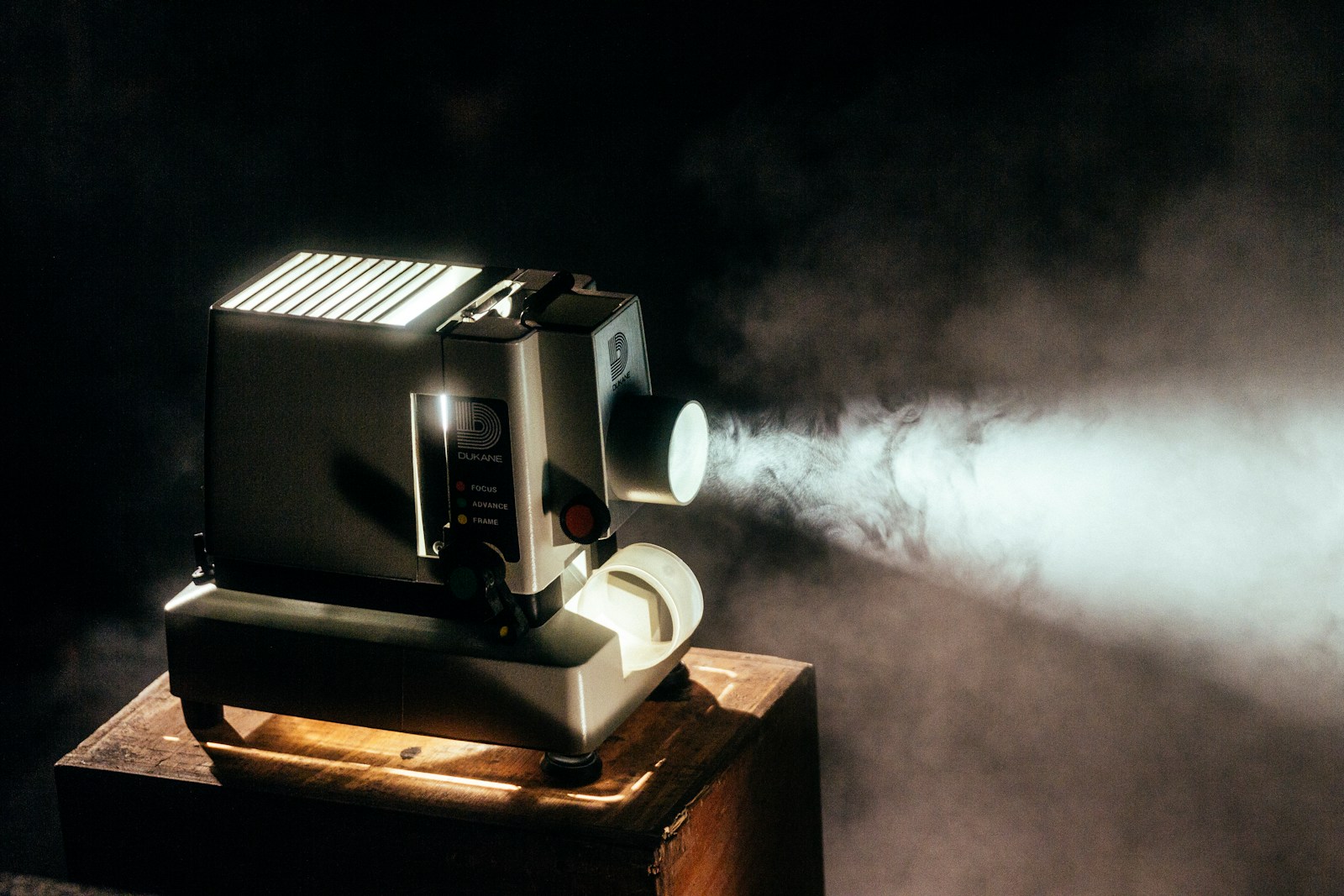
The American Indian Film Gallery (AIFG) is an online collection of over 450 non-fiction films that document Native lifeways from the Arctic Circle to Tierra del Fuego. From a 1922 silent newsreel to contemporary footage of powwows and political meetings, this collection spans nearly a century of Native representation—both from outside perspectives and from within Indigenous communities.
the Film Collection
The majority of the films date to the golden age of U.S. educational and sponsored filmmaking, from the post–World War II era through the rise of portable video. The video age marks a crucial shift: from films about Native peoples to films by Native peoples.
This historical span makes AIFG an incomparable teaching and research tool, illuminating how Indigenous populations across the Americas have been represented—and how they represent themselves—over time.
In its fully realized state, AIFG will establish the University of Arizona as a center for studying the image and representation of Native peoples, while supporting ongoing research in Southwestern and Borderlands studies.
Our Mission
To bring Dr. J. Fred MacDonald’s collection of historic documentary and educational films by and about Native peoples of the Americas to the greater Internet community as an interactive resource.
The Vision of J. Fred MacDonald
The American Indian Film Gallery was compiled and digitized by historian Dr. J. Fred MacDonald, who devoted his life to preserving rare archival films. In July 2011, this collection was awarded to the University of Arizona, edging out prestigious institutions across the hemisphere. The original films are preserved by the Library of Congress; this digital resource now resides at the University of Arizona
“MacDonald combines a lifetime of collecting rare archival films and a passion for preserving history to create a website where visitors can watch hundreds of historic films about Native Americans. Dr. MacDonald worked countless hours to digitize these fading films of the past and to curate the gallery so visitors can learn not only about Native American traditions, but also about media representations of Indigenous peoples from days past.”
—Groundswell Educational Films
Technology & Project Phases
When the films were awarded to the University of Arizona in 2011, Dr. MacDonald provided the collection on DVD. Staff at the UA Office of Instruction and Assessment converted the films into Flash and MPEG4 for streaming across browsers and iOS devices.
Project Phases
Stewards of the Archives
The Contributors
- Jennifer L. Jenkins, Curator, Professor of English & Research Social Scientist, Southwest Center, University of Arizona
- Amy Fatzinger, Associate Curator (2012–2019), Associate Professor of American Indian Studies, University of Arizona
- 2013–14: Sara Guzman, Adam Iddings, Kari Quiballo, Sherrie Stewart, Emily Thomas
- 2012–13: Andie Belone (Hopi), Eric Maynard (Virtual Internship, University of Rhode Island), Kari Quiballo, Mikel Stone, Emily Thomas, Ying-wen Yu
- 2011–12: Michelle Boyer
- Rogelio Agrasánchez – Agrasánchez Film Archive
- Janna Jones – Northern Arizona University
- Paula Barreiro Posada – Universidad de Antioquia, Colombia
- Jules Kosstachin (Cree) – VisJuelles Productions, Ontario, Canada
- Fred MacDonald – MacDonald and Associates, Chicago
- Mark A. Neumann – Northern Arizona University
- Pam Wintle – Human Studies Film Archive, Smithsonian